Rating: 8/10 · Translated from French (original title Le Roi des Aulnes)
- Accuracy: Precise on East Prussia in the Second World War, Göring’s hunting estate and the Nazi elite schools, the Napolas.
- Readability: Rich and disturbing; the diary sections and mythological symbolism require patience.
- Plot: A French garage owner, captured in 1940, finds a strange sense of destiny as a servant in Göring’s hunting lodge and then in a Nazi school for boys.
Abel Tiffauges is a French mechanic who believes he is an ogre. After a troubled childhood, he feels himself set apart and destined for something. In 1940 he is captured by the Germans and taken to East Prussia, where he works at Göring’s hunting lodge and later at a Napola, an elite school where boys are trained for the Nazi state. There, he becomes the one who gathers children for the school.
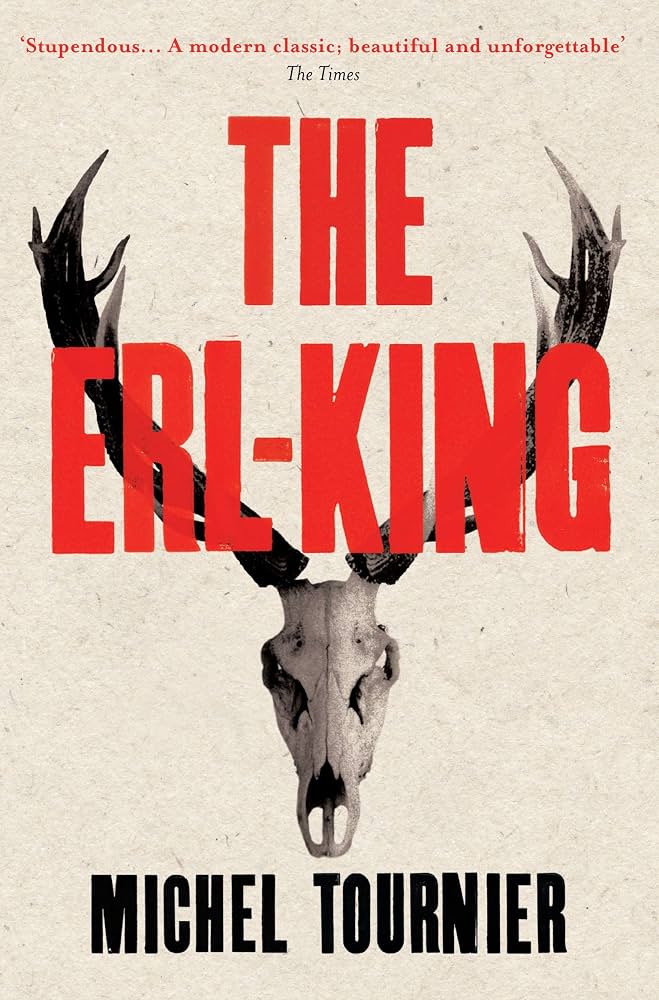
Michel Tournier’s novel is an exploration of myth, symbolism and fascination with power. Tiffauges reads the world as a set of signs, and he finds in the Nazi regime a grotesque realisation of his own myths. The title comes from Goethe’s poem about a supernatural figure who carries off a child.
The book won the Prix Goncourt unanimously. It is intellectually dazzling, full of learning about hunting, heraldry, photography and history. The portrait of Göring, feasting and hunting in his estate, is especially memorable.
It is also deeply unsettling. Tiffauges’s obsessions, including his fixation on children, are presented without judgement, and readers may find the book’s fascination with Nazi aesthetics troubling. The ending reverses many of these themes, but not all readers will feel the reversal is sufficient.
The 8 reflects a brilliant but difficult novel. It is one of the major French books of the decade, and Volker Schlöndorff filmed it in 1996 as The Ogre.


Leave a Reply