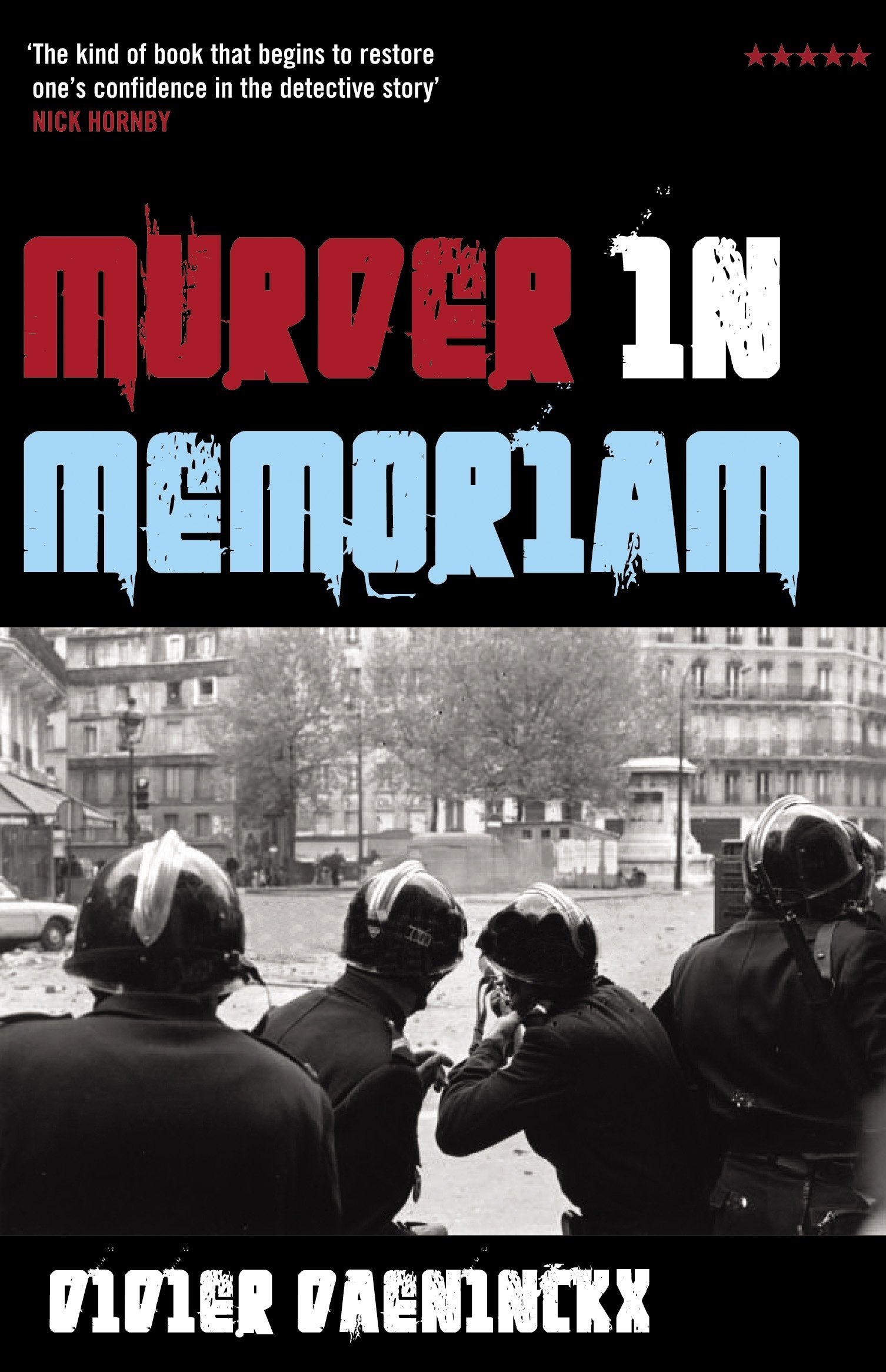
Rating: 7/10 · Translated from French (original title Meurtres pour mémoire)
- Plot: A history teacher is shot during the Algerian demonstration in Paris in October 1961; twenty years later his son is murdered, and a detective links the two.
- Clues: Found in archives and memory, as the detective uncovers what the state has hidden.
- Reveal: Politically devastating, pointing to a real scandal.
On 17 October 1961, Algerians march in Paris against a curfew. The police respond with extraordinary violence, killing many demonstrators. Among the dead is Roger Thiraud, a history teacher who was not part of the march. Twenty years later his son, researching his father’s death, is murdered in Toulouse. Inspector Cadin investigates.
Didier Daeninckx uses the crime novel to expose a hidden chapter of French history. The October 1961 massacre was barely acknowledged at the time, and Daeninckx links it to wartime collaboration, including the deportation of Jews from Bordeaux. The novel’s portrait of a senior official clearly echoes Maurice Papon, who later stood trial for crimes against humanity.
The novel is short and angry, with brisk prose and a sombre tone. Its opening description of the massacre is powerful.
The weakness is that the mystery is thin and the characters are functional. The political message is clear, sometimes too explicit.
The 7 reflects an important political novel that helped bring a suppressed history into public debate. It is a key work of French engaged crime fiction.


Leave a Reply