Rating: 7/10 · Translated from Japanese
- Accuracy: Based on the real Japanese embassy to Mexico, Spain and Rome in 1613–20, led by Hasekura Tsunenaga and a Franciscan missionary.
- Readability: Quiet and restrained, occasionally slow.
- Plot: A minor samurai accompanies an ambitious Spanish friar on a diplomatic mission to Europe, and returns to a Japan that has banned Christianity.
In the early seventeenth century, a low-ranking samurai is sent on a mission to Mexico and Europe to seek trade with Spain. He travels with Father Velasco, a Franciscan missionary who hopes to become bishop of Japan and convert the country. To help the mission, the samurai reluctantly accepts baptism. When he returns years later, Christianity has been banned, and his conversion becomes dangerous.
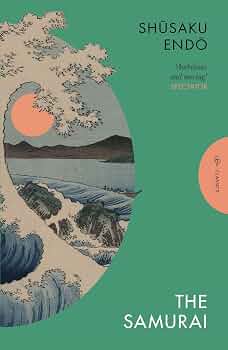
Shūsaku Endō based the novel on the historical embassy led by Hasekura Tsunenaga. The book alternates between the samurai’s perspective and Velasco’s, exploring faith, ambition and cultural misunderstanding.
The samurai is a moving figure, loyal to his lord and his land, and gradually drawn to the image of a suffering Christ. Velasco is ambitious and manipulative but also sincere.
The novel’s themes echo Silence, but its tone is quieter. The journey scenes are fascinating, and the ending is powerful.
The weakness is the slow pace and the distance of the characters. Readers who loved Silence may find this less intense.
The 7 reflects a thoughtful and moving historical novel, a companion to Endō’s masterpiece.


Leave a Reply