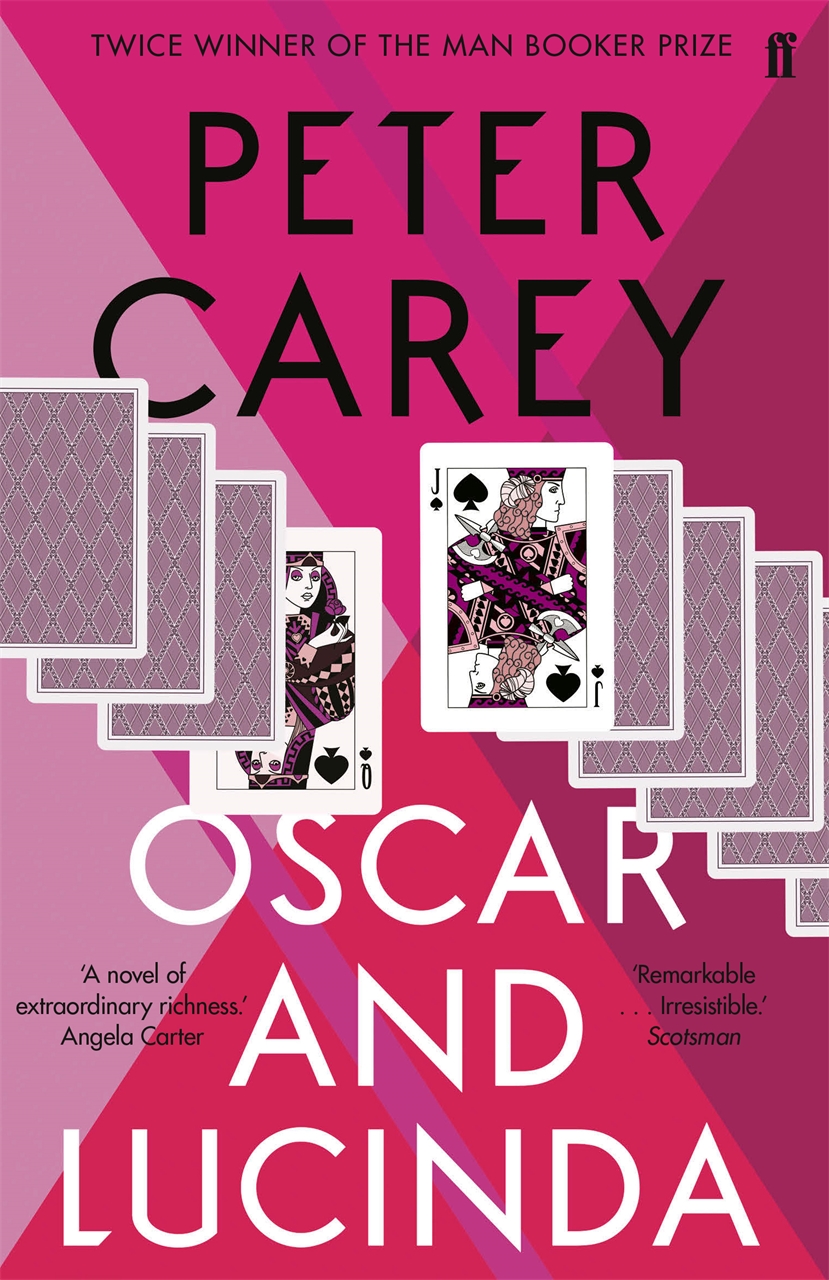
Rating: 8/10
- Accuracy: Rich on Victorian religion, glassmaking and colonial New South Wales, though the central story is invented.
- Readability: Playful and elaborate, with many short chapters.
- Plot: An eccentric English clergyman and an Australian heiress, both gamblers, wager on transporting a glass church through the bush.
- Science bonus: The physics and chemistry of glass, from glassworks furnaces to the paradoxical strength and fragility of Prince Rupert’s drops, run through the novel as fact and metaphor.
Oscar Hopkins is the son of a strict Plymouth Brethren preacher. He becomes an Anglican clergyman and a compulsive gambler. Lucinda Leplastrier is a young Australian heiress who buys a glassworks and loves gambling too. They meet on a ship to Sydney and form an intense bond. Their final wager is to transport a glass church to a remote settlement.
Peter Carey’s novel is a comic and tragic story about faith, risk and colonial ambition. The narrator is Oscar’s great-grandson, and the story is told with digressions and ironies.
The characters are wonderfully eccentric, and the novel’s set pieces, including Oscar’s terror of water and the journey of the glass church, are memorable. The book shows the violence of colonialism, especially toward Aboriginal Australians.
The weakness is that the novel is long and occasionally self-indulgent, and the plot can drift.
The 8 reflects an original, inventive and moving novel that won the Booker Prize. Gillian Armstrong’s 1997 film starred Ralph Fiennes and Cate Blanchett.


Leave a Reply