Rating: 6/10
- Accuracy: The outline is true; the intimate details and much of Désirée’s character are invention.
- Readability: Easy and charming; the diary form makes it quick.
- Plot: Follows Désirée from Marseille to Paris to Stockholm, watching history from its edges.
Désirée Clary was the daughter of a Marseille silk merchant. As a girl she was engaged to a poor young officer named Napoleon Bonaparte, who dropped her for Joséphine. She later married Jean-Baptiste Bernadotte, one of Napoleon’s marshals, who was elected crown prince of Sweden and became King Charles XIV John. Désirée became Queen Desideria, and her descendants still reign in Sweden.
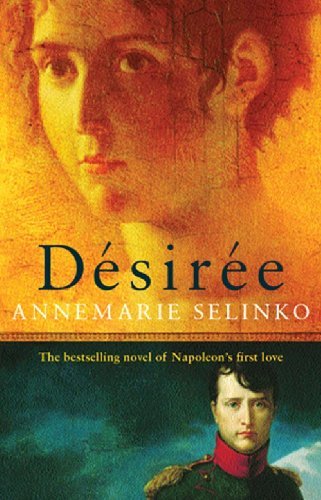
Selinko, an Austrian writer living in Copenhagen, told the story as Désirée’s diary. The result is frank, funny and very readable. Désirée is impulsive, affectionate, somewhat scatterbrained and often wiser than she seems. Great events, from the Terror to the coronation to the retreat from Moscow, are glimpsed through her personal worries, which gives the book a playful irony.
The diary creates problems too. Désirée’s voice stays girlish long into middle age, and her lingering attachment to Napoleon is inflated for romance. Selinko also hands her a part in Napoleon’s fall after Waterloo that owes more to drama than to history. Bernadotte’s awkward position, a French marshal ruling a country at war with France, is noted but not really explored.
Still, the book earned its readers. It made an obscure figure famous, and it shows how a limited viewpoint can make large events feel intimate. The 1954 film cast Marlon Brando as Napoleon and Jean Simmons as Désirée.
The 6 reflects a novel that is pleasant rather than profound. As light historical fiction, it does what it sets out to do, and does it warmly.


Leave a Reply