Rating: 7/10 · Translated from Dutch; English edition decades later
- Accuracy: Well researched Renaissance Rome, with real figures from the Borgias to Michelangelo; the hero’s inner life is invented around a genuine historical puzzle.
- Readability: Elegant and reflective, but the shifting viewpoints demand attention.
- Plot: Giovanni Borgia, a child of disputed parentage, searches for his place amid the power struggles of papal Rome.
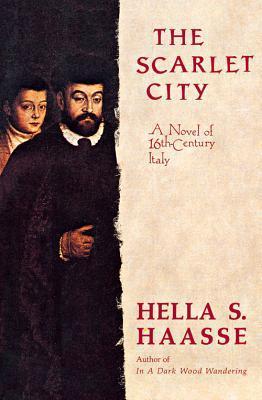
Hella Haasse is one of the great Dutch novelists of the twentieth century, best known at home for Oeroeg and In a Dark Wood Wandering. The Scarlet City, her novel of Renaissance Rome, shows how widely her imagination ranged.
Its central figure is Giovanni Borgia, the so-called infans Romanus, whose father was officially named differently in two papal documents. Haasse makes that uncertainty her theme. Giovanni grows up in the Borgias’ shadow and tries to understand who he is and what he owes the people who made him.
Around him move the powerful and the gifted. The Borgias and their successors are here, and so is Michelangelo, drawn as a difficult, anguished genius serving demanding patrons. The chapters seen through the artist’s eyes are among the best, because Haasse is fascinated by art’s uneasy relationship with power.
She is less interested in spectacle than in the moral compromises of people who live near the throne. Poison and intrigue are present, but they are background to questions of identity, loyalty and conscience.
The drawbacks are structure and distance. The story moves between perspectives and years, and Giovanni can seem more observer than protagonist. Readers expecting Borgia melodrama will be disappointed.
The 7 reflects a thoughtful, well-researched novel that deserves a wider English readership. It is quieter and more intellectual than most Borgia fiction, and it shows Haasse’s range well beyond her Indies books.


Leave a Reply