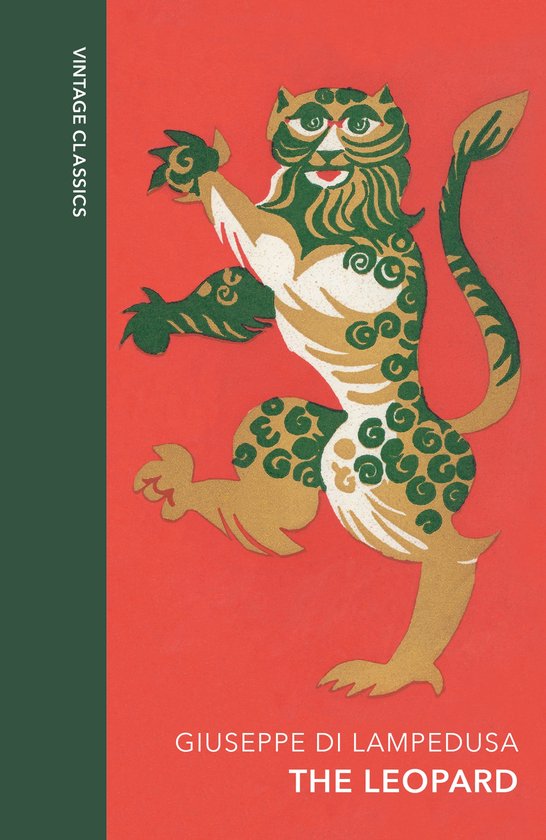
RaRating: 10/10
- Accuracy: Grounded in the Sicily of 1860 and the author’s own family; the politics of Garibaldi’s landing and the plebiscite are exact.
- Readability: Rich and unhurried but never dense, with an ironic narrator who steps outside the story’s time.
- Plot: Episodic: a series of set pieces across fifty years rather than a single arc.
Prince Fabrizio of Salina is a huge man with telescopes in his tower, a devout wife he no longer desires, and a feudal estate quietly losing its purpose. In May 1860 Garibaldi’s volunteers land in Sicily and the old order starts to give. The Prince watches, calculates and chooses to accommodate. His favourite nephew, Tancredi, joins the rebels and explains that things must change if they are to stay as they are.
That paradox is the book’s spine. Tancredi marries Angelica, daughter of the grasping new-rich mayor Don Calogero Sedàra. The Prince votes for unification in the plebiscite. A Piedmontese official, Chevalley, arrives to offer him a Senate seat, and the Prince declines in one of the great conversations in European fiction. The long ballroom chapter, in which he senses his own death among the dancers, is often singled out, and deserves to be.
Lampedusa was himself a Sicilian prince, and he modelled Fabrizio on his great-grandfather. He never saw the book in print. Two major publishers turned it down; Feltrinelli issued it after his death in 1957, and it won the Strega Prize.
The narrator gives the novel its scale. He knows what the twentieth century will bring and mentions it casually, mid-scene, so every moment is shaded by later ruin. The effect is elegiac without self-pity.
Some readers find the episodes frustrating, and the final chapter, jumping to 1910, jars at first. On a second reading it becomes essential. Few novels about political change are this shrewd about how little changes, or this honest about how much is lost.


Leave a Reply