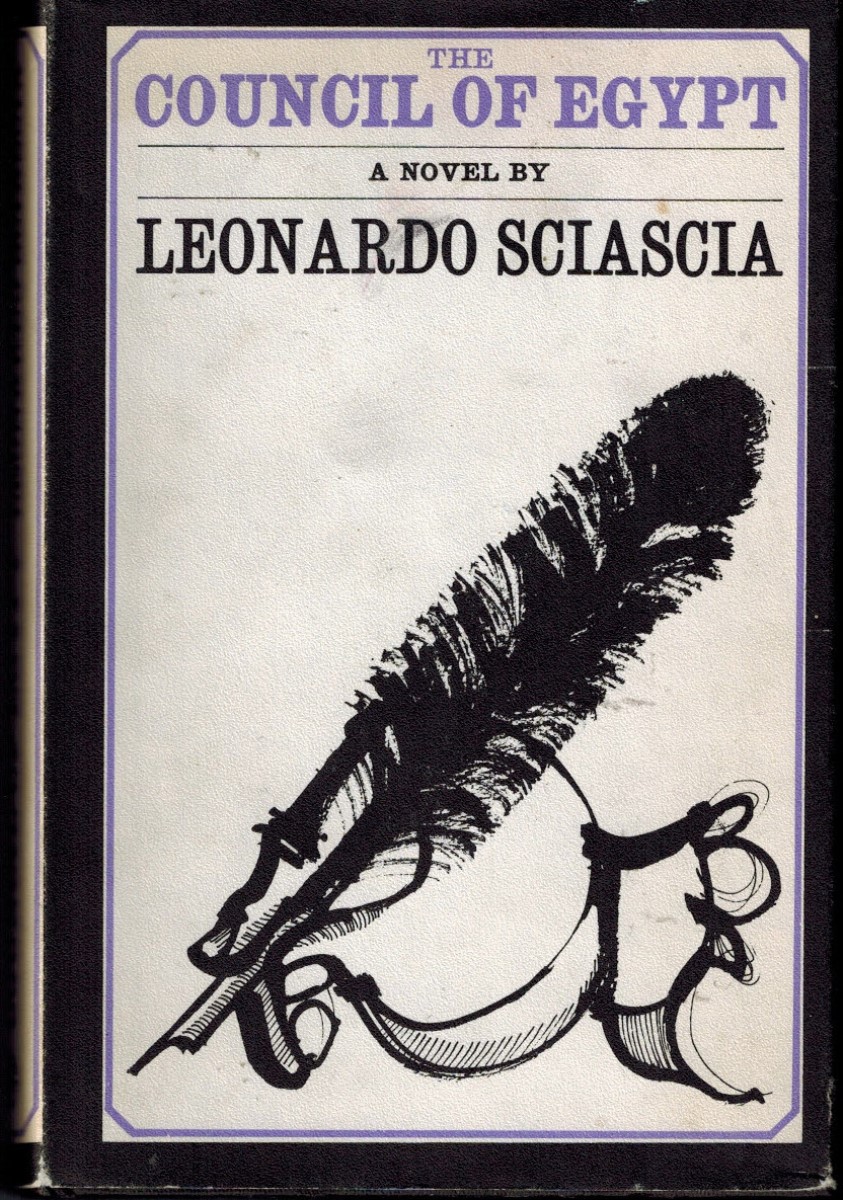
Rating: 8/10 · Translated from Italian
- Accuracy: Closely based on real events in 1780s–90s Palermo, including the forgeries of the Maltese chaplain Giuseppe Vella and the execution of the Jacobin lawyer Francesco Paolo Di Blasi.
- Plot: A humble chaplain forges an Arabic manuscript that rewrites Sicilian history, while a young lawyer plots reform and pays with his life.
- Clues: The mystery is the forgery itself, and the reader watches its construction and exposure.
- Reveal: Ironic rather than surprising, with a bitter twist on who is punished and who is not.
- Science bonus: The forgery is ultimately exposed by philology, as scholarly linguistic analysis tests the texts against what real Arabic manuscripts could contain.
In Palermo in the 1780s, a Moroccan ambassador arrives after a shipwreck, and Fra Giuseppe Vella, a Maltese chaplain with a smattering of Arabic, is called in to interpret. The ambassador is shown an old Arabic codex, and Vella sees an opportunity. Realising that no one else in Palermo can read it, he decides to invent a text: first a history of Sicily under the Arabs, and then a second document, the Council of Egypt, that undermines the legal privileges of the Sicilian barons.
Vella is a real historical figure, and his forgeries became a famous scandal. Sciascia tells the story with delight, portraying Vella as a clever, ironic man exploiting the credulity and ambitions of those around him. The aristocrats fear him, the reformers want to use him, and the scholars argue about his texts.
Parallel to Vella is the story of Francesco Paolo Di Blasi, a lawyer inspired by the Enlightenment who plots a republican uprising. His fate is tragic, and his torture and execution provide a sombre counterpoint to Vella’s comedy.
Sciascia’s theme is the fabrication of history. The forgery shows how the past can be invented to serve power, and the reaction to it reveals a society’s fears and hopes. That makes the book a natural companion to The Daughter of Time.
The novel is short, elegant and ironic. Its limitation is that it is more essay than drama, and the two storylines are only loosely connected.
The 8 reflects a witty, intelligent historical novel about the manufacture of evidence. It is one of Sciascia’s finest works, and the closest thing to a historical mystery in translated fiction of the decade.


Leave a Reply