Rating: 6/10
- Accuracy: Evocative of a plague-stricken capital and its aristocratic families, with van Gulik’s usual mix of periods.
- Plot: Acting as governor of the capital during an epidemic, Judge Dee investigates deaths among old noble families.
- Clues: Reasonable, with the willow-pattern motif as a central clue.
- Reveal: Adequate but less memorable than the setting.
The imperial capital is in the grip of plague. The emperor and court have left, and Judge Dee has been appointed to keep order. Amid mass graves, looting and fear, he investigates a series of deaths among old aristocratic families.
The plague setting is the book’s most distinctive feature. Van Gulik describes the deserted streets, the burning of bodies and the collapse of normal life with sombre power, making this one of the darkest Judge Dee novels.
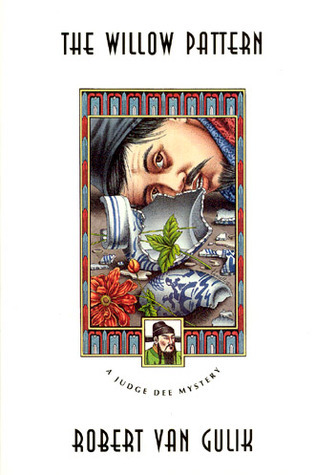
The mystery involves a decaying mansion, family feuds and the pattern of a willow on porcelain, which becomes a symbol and a clue. The idea is appealing, but the plot is diffuse, with many characters and less focus than the best novels.
Dee’s position as a high official also changes the dynamics. He is less a local magistrate than a political figure, and the story is less intimate as a result.
The 6 reflects an atmospheric but uneven book. It is interesting for its portrait of a city under plague, but its mysteries are less satisfying than those in the early novels.


Leave a Reply