Rating: 7/10 · Translated from French; English edition 2014
- Accuracy: Deeply researched on sixteenth-century France, the Wars of Religion and daily life in Périgord.
- Readability: Lively and earthy, with period language adapted for modern readers.
- Plot: Two veteran soldiers build a Protestant stronghold in Périgord, and a son grows up amid religious war.
Jean de Siorac and Jean de Sauveterre, two soldiers who served together, buy the château of Mespech in Périgord. They are Huguenots, and they try to protect their family and household as France slides into religious conflict. Siorac’s son Pierre narrates the story of his youth.
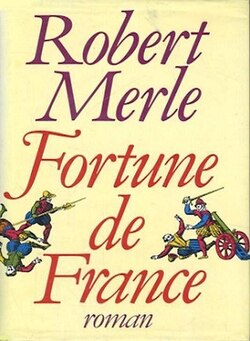
Robert Merle, author of Death Is My Trade, spent the last decades of his life on Fortune de France, a thirteen-volume series. The first novel sets the pattern: an energetic narrator, detailed history, and frank depiction of sex, violence and religion.
The household life of Mespech is the book’s great pleasure. Merle describes farming, food, medicine, feuds and plague with vivid detail. Pierre’s observations are witty and curious, and the relationships between the two old soldiers are memorable.
The religious conflict is treated seriously, and Merle shows the fragility of coexistence. The novel’s sympathies are Protestant, but it portrays Catholic characters with nuance.
The weaknesses are a slow start, a narrative that can meander, and a treatment of women that is sometimes lecherous in period style. The English translation arrived nearly forty years late.
The 7 reflects an engaging opening to a huge saga, beloved in France and still being discovered in English.


Leave a Reply