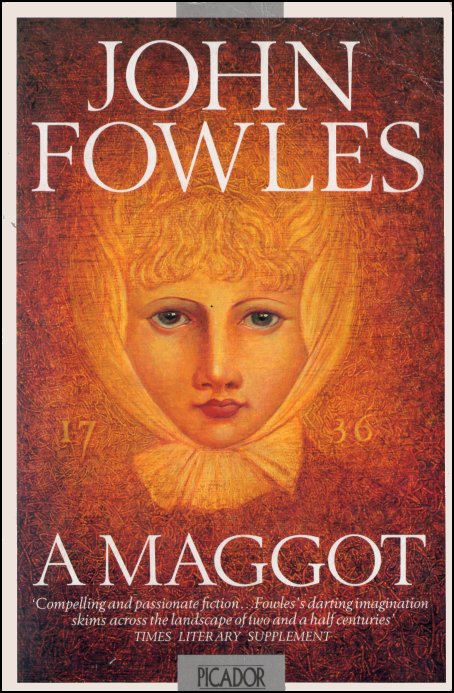
Rating: 8/10
Accuracy: Rich in eighteenth-century language and religious ideas, with contemporary newspaper extracts between chapters.
Plot: In 1736 five travellers ride into Devon; one is found hanged and another has disappeared, and a lawyer investigates.
Clues: Found through interrogation transcripts, contradictory accounts and a strange vision.
Reveal: Deliberately unresolved in conventional terms, opening into religious mystery.
In 1736 five travellers ride across the moors of Devon: a young gentleman, his servant, an actor, a soldier and a former prostitute. A few days later, the servant is found hanged and the gentleman has vanished. His father, a duke, sends the lawyer Henry Ayscough to find out what happened.
The novel is presented largely as transcripts of Ayscough’s interrogations, as he questions witnesses. Their accounts contradict each other, and the truth becomes stranger. The woman, Rebecca, describes a vision that may be supernatural, science fiction or religious experience.
John Fowles’s title uses “maggot” in its old sense of a whim or obsession. The novel is about the birth of religious dissent, and it connects Rebecca to the origins of the Shakers.
The novel is intellectually exciting, and the interrogations are superbly written. Fowles captures the period’s language and mindset.
The weakness is that the ending frustrates readers who want a solution. The novel is more philosophical than mysterious.
The 8 reflects an ambitious, intriguing novel, one of Fowles’s most original books, though its refusal of closure divides readers.


Leave a Reply