Rating: 7/10
- Plot: A small-town lawyer defends an army lieutenant who shot the man he says raped his wife; the case turns on why, not whether.
- Clues: None in the whodunit sense. The evidence is testimony, and the tension lies in what a jury will believe.
- Reveal: The verdict matters less than a bitter closing joke about the client.
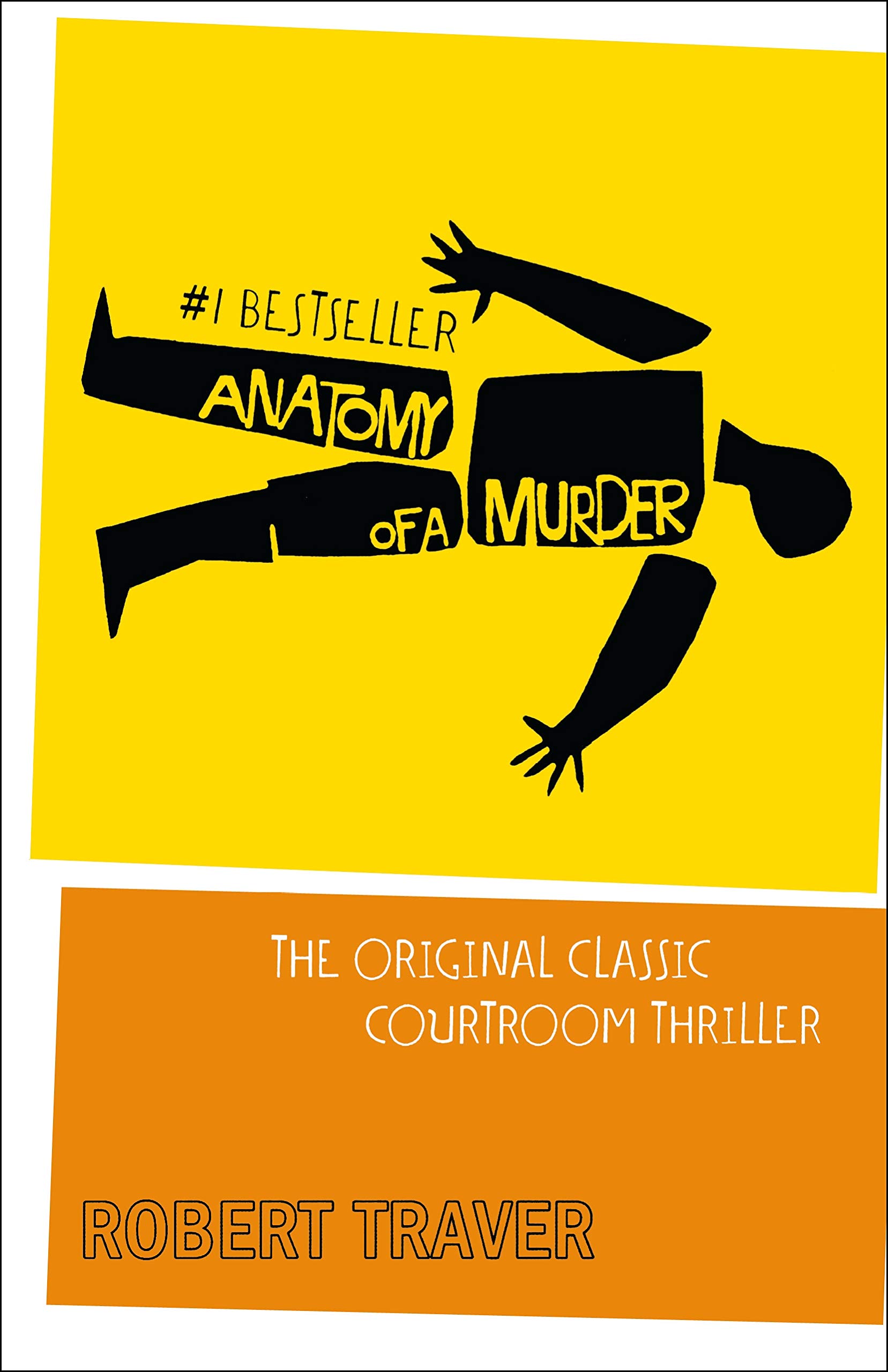
Robert Traver was the pen name of John D. Voelker, a Michigan lawyer who defended a similar case in 1952 and later sat on the state Supreme Court. That background explains almost everything good about the novel, and some of what’s wrong with it.
Paul Biegler, a former prosecutor voted out of office, now fishes more than he practises. He takes on Lieutenant Frederic Manion, who admits shooting a tavern keeper, Barney Quill, after Manion’s wife Laura says Quill raped her. There’s no doubt about who fired, so everything rests on a defence of irresistible impulse.
The book is best on procedure. An early chapter in which Biegler explains the law to his client in a way that lets Manion “discover” the right story is a cool, troubling portrait of legal ethics. The courtroom scenes are exact, sly and often funny. The prosecutor sent up from the state capital is a worthy opponent, and the visiting judge is one of the novel’s best characters.
The trouble is length. Voelker can’t resist digressions on trout, local politics and Biegler’s evenings with his bibulous old colleague Parnell McCarthy. Laura is seen almost entirely through the men’s eyes, and the treatment of rape as a legal puzzle, frank for 1958, has aged poorly.
Still, few crime novels show a trial this honestly, including the gap between what happened and what can be proved. The courtroom half deserves more than a 7; the first hundred pages drag it back. Otto Preminger’s 1959 film is tighter, but the novel is more cynical.


Leave a Reply